


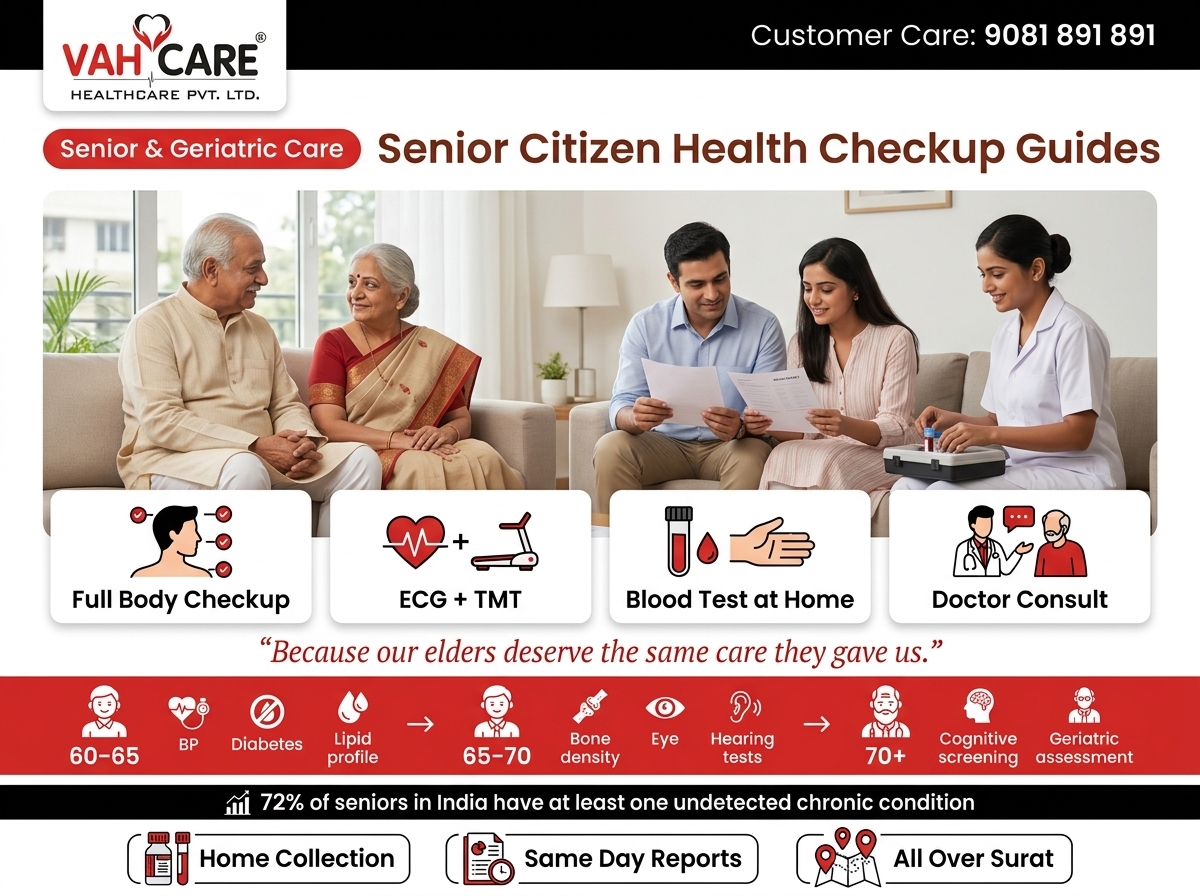
The Most Important Health Decisions Happen at Home
In most Indian families, the health of elderly parents and grandparents is managed reactively — a visit to the doctor when pain becomes unbearable, a hospital admission when a condition becomes critical, medications started only after a crisis has already occurred.
This reactive pattern costs Indian families enormously — in money, in emotional distress, and most significantly, in years of healthy life that could have been preserved with timely intervention.
The reality of ageing is that the human body becomes simultaneously more vulnerable and less expressive. Conditions that cause dramatic symptoms in a 35-year-old may present as vague fatigue, mild confusion, or loss of appetite in a 70-year-old. This "silent presentation" of disease in older adults means that the absence of obvious symptoms provides far less reassurance in a senior than in a younger person.
A preventive health checkup for senior citizens is not a luxury — it is the foundation of responsible elder care. And with Vahcare Healthcare Pvt. Ltd., Surat offering a dedicated Senior Citizen Health Checkup with home sample collection across all of Surat, there is no longer any logistical reason for your elders to go without comprehensive screening.
This guide walks you through everything your family needs to know: what conditions to screen for, which tests are essential at each age, warning signs that demand immediate attention, and how to build a year-round health monitoring routine for your elderly loved ones.
Why Senior Citizens Need a Different Approach to Healthcare
Preventive healthcare for older adults differs fundamentally from standard adult health screening, for several important reasons:
Multiple simultaneous conditions: Most Indian seniors over 65 live with two or more chronic conditions simultaneously — a pattern called multimorbidity. Diabetes, hypertension, and kidney disease, for example, are tightly interconnected and must be monitored together.
Polypharmacy risk: Seniors taking multiple medications face significant risk of drug interactions, side effects, and medication-induced complications. Regular blood tests help monitor organ function and medication effects proactively.
Atypical disease presentation: Infections, cardiac events, and metabolic crises present differently in older adults — often without the classic symptoms seen in younger patients. A urinary tract infection may present as sudden confusion. A heart attack may manifest as extreme fatigue or nausea rather than chest pain. Healthcare providers experienced in geriatric care recognise these atypical patterns.
Nutritional vulnerability: Older adults are at significantly higher risk of deficiencies in Vitamin D, Vitamin B12, calcium, protein, and iron — all of which have profound effects on bone health, neurological function, immunity, and muscle strength. These deficiencies are invisible without blood tests.
Reduced physiological reserve: Older bodies have less capacity to compensate for stress — whether from illness, surgery, extreme heat, or dehydration. Detecting and correcting small imbalances before they cascade into larger crises is especially critical in the elderly.
Common Causes of Health Decline in Indian Senior Citizens
Understanding what drives deteriorating health in elders helps families know what to screen for and what lifestyle factors to address:
1. Lifelong Accumulation of Cardiovascular Risk
Hypertension, high cholesterol, and diabetes — conditions that may have been present but inadequately managed for decades — converge in old age to dramatically increase the risk of heart attack, stroke, and kidney failure. The cardiovascular system carries the cumulative burden of every risk factor across an entire lifetime.
2. Progressive Kidney Function Decline
Kidney function naturally declines with age — by approximately 1% per year after 40. In the presence of diabetes and hypertension, this decline accelerates dramatically. By age 70, many Indian seniors have significantly reduced kidney capacity without realising it, making them highly vulnerable to medication toxicity and fluid imbalances.
3. Thyroid Dysfunction — Extremely Common in Elders
Thyroid disease — particularly hypothyroidism — is one of the most common and most underdiagnosed conditions in Indian seniors. Its symptoms (fatigue, constipation, cold intolerance, cognitive slowing, weight gain, dry skin) are routinely misattributed to normal ageing. Untreated hypothyroidism in the elderly worsens cardiac function, increases cholesterol levels, impairs cognition, and accelerates physical decline.
A simple thyroid test — TSH, T3, T4 — can identify this condition entirely. Vahcare includes thyroid function as a standard component of its Senior Citizen Health Checkup in Surat.
4. Nutritional Deficiencies
The ageing digestive system absorbs nutrients less efficiently. Combined with reduced appetite, restricted diets (often self-imposed due to chronic conditions), limited sun exposure, and predominantly vegetarian eating patterns, Indian seniors are disproportionately affected by deficiencies in Vitamin D, Vitamin B12, calcium, zinc, and iron.
Vitamin D deficiency accelerates bone loss (osteoporosis), increases fall risk, impairs immune function, and independently raises cardiovascular risk.
Vitamin B12 deficiency — almost universal in elderly vegetarian Indians — causes peripheral neuropathy (tingling, numbness), cognitive decline, memory problems, and megaloblastic anaemia. Many families attribute these symptoms to "old age" for years before a blood test reveals a completely treatable deficiency.
5. Uncontrolled Diabetes in the Elderly
Managing blood glucose in older adults is uniquely challenging — hypoglycaemia (dangerously low blood sugar) is more common and more dangerous in seniors than in younger patients. Yet uncontrolled high blood sugar continues causing vascular damage regardless of age. Regular HbA1c monitoring and careful medication titration guided by blood test results are essential for safe diabetes management in the elderly.
6. Polypharmacy Complications
Many Indian seniors take five or more medications daily. Drug interactions, inappropriate dosing for reduced kidney function, and medication-induced nutrient depletion (for example, metformin depletes Vitamin B12; statins may impair Vitamin D metabolism) are common causes of otherwise-unexplained deterioration in older adults. Regular blood tests help detect these complications early.
7. Social Isolation and Mental Health
Often overlooked in physical health discussions, social isolation and depression are significant contributors to physical health decline in elderly Indians. Depression reduces adherence to medications, worsens appetite, impairs immune function, and increases the risk of cognitive decline. Families should treat emotional wellbeing as integral to elder health management — not separate from it.
Warning Signs in Senior Citizens That Families Must Never Ignore
Families caring for elderly parents or grandparents should be alert to the following changes, which may signal underlying medical conditions requiring prompt evaluation:
Cognitive and neurological:
- Sudden or gradual confusion, disorientation, or memory lapses
- Personality or behavioural changes (unusual irritability, withdrawal, apathy)
- Difficulty finding words or following conversations
- Unsteady gait or new difficulty with balance — high fall risk
Cardiovascular:
- Unexplained breathlessness — even at rest or with very mild activity
- Ankle or leg swelling (oedema) — may indicate heart or kidney failure
- Chest discomfort, palpitations, or irregular heartbeat
- Dizziness or fainting episodes — may signal cardiac arrhythmia or dangerous blood pressure swings
Metabolic and general:
- Unexplained significant weight loss — always investigate
- Persistent fatigue that is disproportionate to activity level
- Excessive thirst or urination (uncontrolled diabetes)
- Loss of appetite lasting more than a few days
- Frequent infections — urinary, skin, or respiratory
Musculoskeletal:
- New or worsening bone or joint pain
- A fall — even a minor one; falls in seniors carry high risk of fracture and signal declining balance and strength
- Difficulty rising from a chair or climbing stairs
Vision, hearing, and oral health:
- Blurred or rapidly changing vision — may indicate diabetic eye disease or cataract
- Hearing deterioration (often signals need for formal assessment)
- Frequent mouth ulcers or dental pain (can affect nutrition and systemic health)
If any of these signs are present, do not wait for a scheduled appointment. Book an urgent comprehensive blood test and health evaluation through Vahcare's home sample collection service in Surat — call 9081 891 891.
Key Risk Factors for Serious Illness in Indian Seniors
| Risk Factor | Why It Matters in the Elderly |
|---|---|
| Age 70+ | Cumulative organ stress; reduced physiological reserve |
| Long-standing diabetes | Kidney, eye, nerve, and heart complications compound |
| Uncontrolled hypertension | Stroke, heart failure, kidney failure risk accelerates |
| History of cardiac disease | Requires frequent ECG and cardiac monitoring |
| Hypothyroidism | Worsens cholesterol, cardiac function, cognition |
| Polypharmacy (5+ medications) | Drug interactions; organ function monitoring essential |
| Vegetarian diet | Near-universal B12 deficiency; Vitamin D risk |
| Limited sun exposure | Severe Vitamin D deficiency; bone and immune impact |
| Osteoporosis or prior fracture | High fall and re-fracture risk; bone density monitoring |
| Cognitive decline | Impairs medication adherence; safety concerns |
| Social isolation or depression | Accelerates physical and cognitive decline |
Essential Tests in the Vahcare Senior Citizen Health Checkup
The following tests form the core of Vahcare's comprehensive Senior Citizen Health Checkup package, available with home sample collection across all of Surat:
1. Complete Blood Count (CBC)
Screens for anaemia — extremely common in elderly Indians and a major cause of fatigue, cognitive slowing, and breathlessness. Also detects signs of infection and immune dysfunction.
2. Blood Sugar Panel — Fasting Glucose, HbA1c, PPBG
Diabetes management in seniors requires careful, regular monitoring. HbA1c reflects average control over three months, while fasting and post-meal glucose reveal short-term patterns. Both are essential for safe medication management.
3. Lipid Profile
Cholesterol and triglyceride management remains important in seniors, particularly those with existing cardiac disease or on statin therapy. The lipid profile guides medication dosing and dietary counselling.
4. Thyroid Function Test (TSH, T3, T4)
Given how commonly thyroid disease is missed in the elderly — and how dramatically it affects quality of life and cardiac risk — a thyroid test is an essential part of every senior citizen health checkup. Results guide replacement therapy dosing and adjustment.
5. Kidney Function Tests (Creatinine, eGFR, BUN, Urine Microalbumin)
Monitoring kidney function in seniors is critical for safe medication dosing, detecting early diabetic nephropathy, and preventing acute kidney injury. eGFR classifies kidney function stage and guides treatment decisions.
6. Liver Function Tests
Assesses liver health, guides safe use of multiple medications, and screens for fatty liver disease — increasingly common in older Indians.
7. ECG Test (Electrocardiogram) — At Home
Cardiac arrhythmias, including atrial fibrillation — a major stroke risk factor — become significantly more common after age 65. A resting ECG test at home through Vahcare's service detects rhythm abnormalities, prior cardiac damage, and changes requiring prompt cardiological review. This is a non-invasive, painless, 10-minute test that Vahcare brings directly to your elder's doorstep.
Frequency: Every 6 months for seniors over 65. Every 3 months for those with known cardiac conditions.
8. Vitamin D (25-OH Vitamin D)
Given near-universal deficiency in Indian seniors, Vitamin D testing is essential — not optional. Results guide appropriate supplementation to prevent bone loss, muscle weakness, immune impairment, and falls.
9. Vitamin B12
Particularly critical for vegetarian seniors and those on metformin. Testing guides supplementation and prevents irreversible neurological damage.
10. Urine Routine and Microscopy
Detects urinary tract infections (a leading cause of acute confusion in seniors), kidney disease, diabetes complications, and bladder issues.
11. Blood Pressure Monitoring
Hypertension is present in over 50% of Indians above 60. Blood pressure is measured at every Vahcare home visit, with results interpreted in the context of medications and symptoms.
12. Bone Health Assessment (Calcium, Phosphorus, ALP)
These markers, alongside Vitamin D, provide a blood-based picture of bone metabolism. Particularly important for seniors with prior fractures, limited mobility, or on corticosteroids.
13. PSA Test (for Male Seniors Over 60)
Prostate-specific antigen screening is recommended for Indian men over 60, particularly those with urinary symptoms or family history of prostate cancer.
14. Uric Acid Test
Elevated uric acid — which causes gout — is common in elderly Indian men and associated with hypertension, kidney disease, and cardiovascular risk.
15. HIV Test (Where Clinically Indicated)
As part of a comprehensive preventive screening approach, the HIV test is available within Vahcare's full screening panels. HIV in older adults is increasingly recognised, often undetected, and significantly impacts immune function and cardiovascular risk.
Building a Year-Round Health Monitoring Schedule for Senior Elders
Ages 60–65 (Active Seniors)
- Comprehensive full body checkup: once a year
- ECG test at home: once a year
- Blood pressure monitoring: monthly at home
Ages 65–70 (Early Senior Phase)
- Comprehensive full body checkup: every 6 months
- ECG test at home: every 6 months
- Doctor consultation review: every 3 months
- Blood pressure: fortnightly home monitoring
- Ophthalmology review: annually
Ages 70+ (Advanced Senior Care)
- Comprehensive full body checkup: every 3–4 months
- ECG test: every 3 months or as directed
- Kidney and medication review: every 3 months
- Fall risk assessment: at each checkup
- Cognitive function assessment: annually
All blood test components are available through Vahcare's home sample collection service across all of Surat. Your elder does not need to travel to a clinic, wait in queues, or manage fasting logistics alone.
Prevention Tips: How Families Can Support Elder Health Every Day
1. Make health checkups a family ritual, not a chore. Frame the senior health checkup as a shared family care activity. When adult children participate — reviewing reports together, attending doctor consultations — adherence improves dramatically.
2. Organise medications carefully. Use a pill organiser. Keep an updated medication list — including dosages and timing — accessible at home and at every doctor visit. Review the medication list at each health checkup for potential interactions.
3. Prioritise hydration. Older adults have a reduced sense of thirst and are highly vulnerable to dehydration — which impairs kidney function, causes confusion, and triggers urinary tract infections.
4. Fall-proof the home. Remove loose rugs, install bathroom grab rails, ensure adequate lighting, and provide appropriate footwear. Balance and strength exercises prescribed by a physiotherapist significantly reduce fall risk.
5. Prioritise protein and nutrition. Sarcopenia — age-related muscle loss — accelerates in seniors with inadequate protein intake. Encourage protein at every meal: dal, paneer, curd, eggs, or lean meat.
6. Encourage gentle, regular physical activity. Even 20–30 minutes of slow walking or gentle yoga daily reduces cardiovascular risk, improves blood sugar control, supports bone health, and enhances mental wellbeing.
7. Monitor for signs of depression. Watch for withdrawal, loss of interest in usual activities, changes in sleep or appetite. Depression in the elderly is treatable and its early recognition prevents significant physical health deterioration.
8. Book regular preventive health checkups. Vahcare's Senior Citizen Health Checkup in Surat — with home collection, same-day reports, and doctor consultation — makes this as seamless and compassionate as possible.
Lifestyle Changes: Daily Routines That Support Healthy Ageing
Morning
- Wake at a consistent time; allow gentle rising to reduce dizziness risk
- 15–20 minutes of light stretching or gentle yoga
- Nutritious, protein-rich breakfast — never skip the morning meal
- Morning sunlight exposure (10–15 minutes) for natural Vitamin D
Daytime
- Gentle walking — even 15–20 minutes after lunch supports blood sugar regulation
- Cognitively stimulating activities: reading, puzzles, conversation
- Adequate fluid intake throughout the day
- Social connection — visits, calls, or community activities
Evening
- Light dinner by 7:00–7:30 PM
- Brief family health check-in: any new symptoms, medication compliance
Weekly Family Practices
- Review medication supply and refill as needed
- Record blood pressure and glucose readings in a health diary
- Assess for any new symptoms or functional changes
- Schedule upcoming health checkup appointments with Vahcare
Frequently Asked Questions (FAQs)
Q1. At what age should senior citizens start a dedicated health checkup programme? A dedicated senior health monitoring programme should ideally begin at 60. However, anyone above 55 with chronic conditions should already be on a bi-annual screening schedule. Vahcare's Senior Citizen Health Checkup in Surat is designed for adults from age 55 onwards.
Q2. Is home sample collection safe and hygienic for elderly patients? Absolutely. Vahcare's trained phlebotomists follow strict clinical hygiene protocols — sterile equipment, sealed collection tubes, gloves, and proper disposal — identical to those in a clinical setting. Home collection also eliminates infection risk associated with clinic waiting rooms, which is a particular concern for elderly individuals with reduced immunity.
Q3. What if our elder parent cannot fast for the blood test? Vahcare's team will discuss your elder's specific situation, medications, and medical history when you book the appointment. Fasting requirements can often be adjusted for seniors with diabetes, swallowing difficulties, or other conditions — your Vahcare doctor consultant will advise on the best approach.
Q4. Does Vahcare offer ECG test at home in Surat for senior citizens? Yes. Vahcare provides ECG tests at home across all of Surat, including for senior citizens. A trained healthcare professional brings the ECG machine to your home, conducts the test in under 10 minutes, and the report is reviewed by a doctor on the same day.
Q5. What is included in Vahcare's Senior Citizen Health Checkup package? The package typically includes CBC, blood sugar panel, lipid profile, thyroid function (TSH, T3, T4), kidney function, liver function, Vitamin D, Vitamin B12, uric acid, urine routine, ECG test, and blood pressure measurement — all at home, with same-day reports and an included doctor consultation. Call 9081 891 891 for current package details and pricing.
Q6. How do I encourage elderly parents who resist health checkups? Framing it as family care — "We want to know you're well, not that something is wrong" — often works better than disease-focused messaging. Emphasising that the test is done at home and requires no travel usually reduces resistance significantly. Many seniors comply more readily when adult children participate actively.
Q7. What if a test result comes back abnormal? Every Vahcare health checkup includes a doctor consultation to review the reports. Abnormal results are explained clearly, and the doctor provides specific recommendations — dietary change, lifestyle modification, further investigation, specialist referral, or medication review. You will not be left with a confusing report and no guidance.
Q8. Does Vahcare provide couple or family packages for senior households? Yes. Vahcare offers couple and family packages that are particularly popular for senior citizen households — both partners screened in a single home visit. Contact Vahcare at 9081 891 891 to enquire about current couple and family package options.
Conclusion: Give Your Elders the Gift of Proactive Care
In Indian culture, our elders are the roots of our family tree. They are the keepers of wisdom, the source of unconditional love, and the foundation upon which families are built. When we invest in their health proactively — not just when crises demand it — we honour everything they have given us.
The Senior Citizen Health Checkup is not a complicated undertaking. With Vahcare Healthcare, it requires no travel, no clinic queues, no fasting logistics to manage alone. A trained professional comes to your home. A comprehensive blood test is drawn. Same-day digital reports are shared with your family. A doctor consults on every result. And a clear, personalised health plan is put in place.
Whether your parents are 62 or 82, whether they feel perfectly well or have been managing chronic conditions for years, a Senior Citizen Health Checkup with Vahcare is the most meaningful health investment your family can make this year.
Because our elders deserve the same care they gave us.
📞 Call 9081 891 891 to book the Senior Citizen Health Checkup with Vahcare Healthcare today.
Vahcare Healthcare Pvt. Ltd. | All Over Surat | Home Sample Collection | Same Day Reports | Doctor Consultation Included | Senior Citizen Special Package Available